CRM Cleanup Before Growth: What to Fix Before Adding More Users, Data, or Automation
Growth amplifies whatever already exists in a CRM, including unclear definitions, duplicate data, broken ownership, and fragile automation.

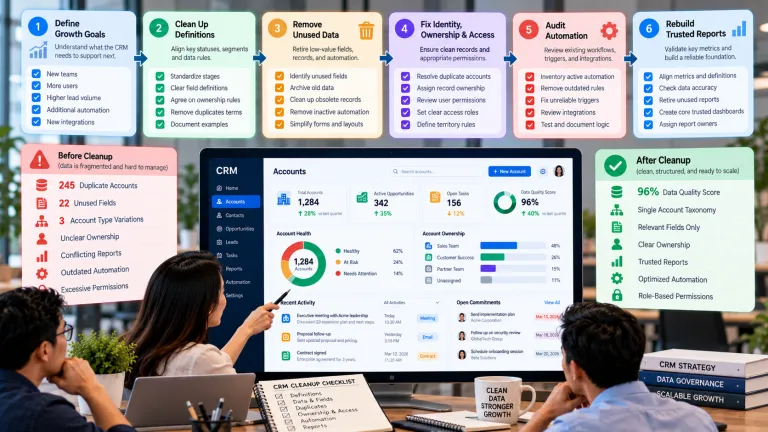
Growth amplifies whatever already exists in a CRM, including unclear definitions, duplicate data, broken ownership, and fragile automation.
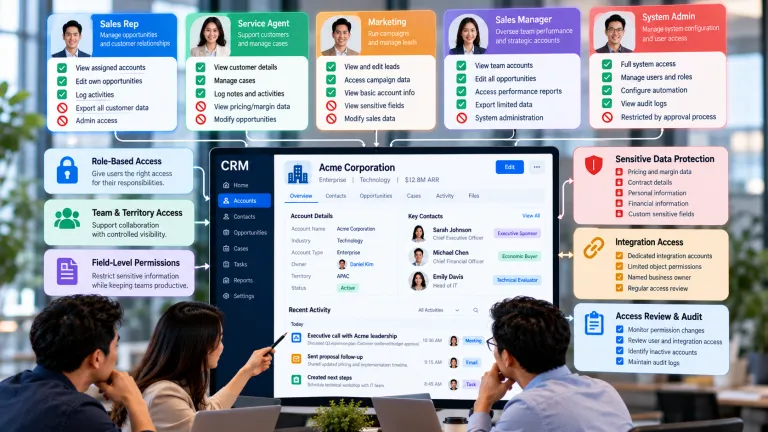
The goal of CRM access control is not maximum restriction; it is giving people enough information to do their jobs while reducing unnecessary exposure and risky actions.
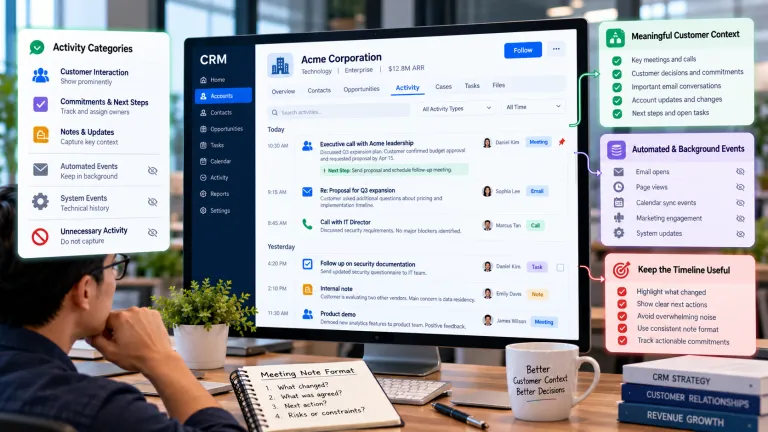
Activity tracking is useful when it preserves context and commitments; recording every possible interaction can make the important signals harder to find.
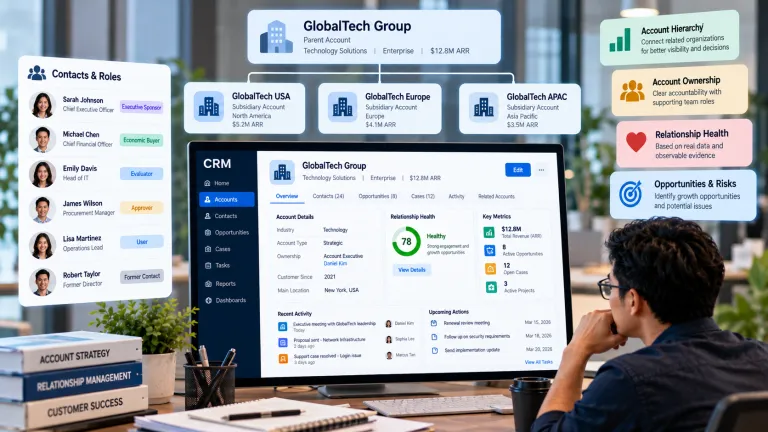
Strong account management connects people to the organizations, roles, opportunities, service history, and relationships that give individual contacts meaning.
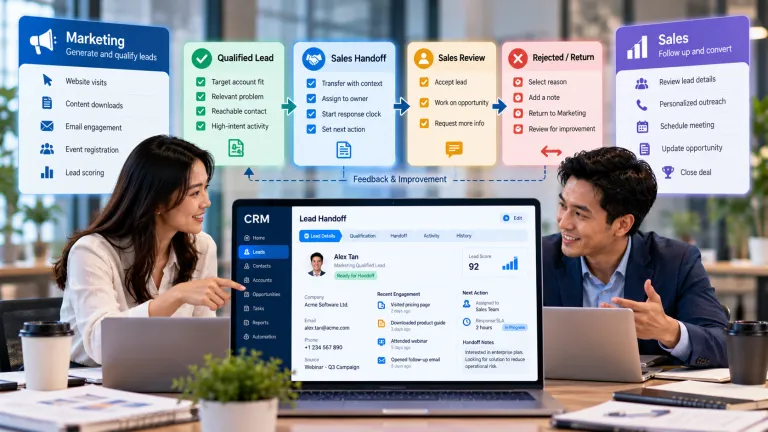
A handoff fails when responsibility changes without transferring enough context, evidence, or accountability for the next action.
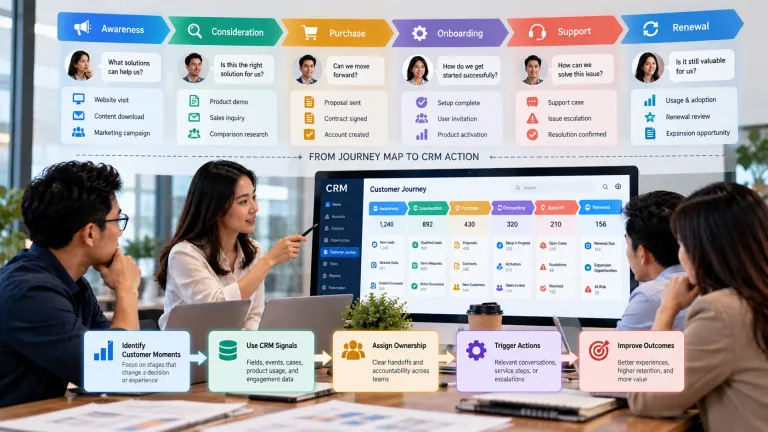
A journey map becomes operational when CRM data can recognize important moments, assign ownership, and help teams choose the next action.

Duplicate records are rarely just a cleanup problem; they are evidence that identity, entry rules, integrations, or ownership need attention.

CRM software can be technically capable and still underperform when process, ownership, data, and adoption are treated as secondary concerns.

Every CRM field creates a long-term cost in user attention, data quality, reporting, and maintenance, so each one should earn its place.

A useful CRM requirements document describes how the business needs to work, not merely which software features people would like to have.

Many organizations buy a CRM expecting the software to solve a process problem. The better approach is to begin with the customer outcome, define the decisions employees must make, and then configure technology around that operating.

Customer systems often become complicated because teams add fields, workflows, and reports without a shared design principle. A focused approach starts with one business need and builds only the data and process required to support it.